What Is a 2 Compartment Aluminium Foil Container?
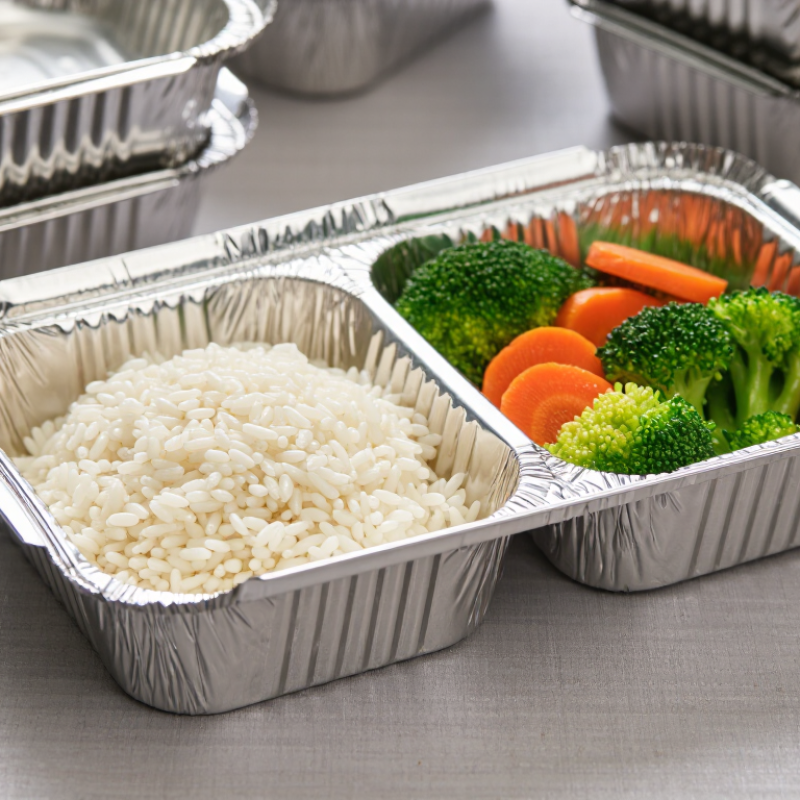
A 2 compartment aluminium foil container is a practical food packaging solution with two separate sections. It keeps different foods apart during storage, transport, and service. One section may hold rice, while the other carries vegetables, sauce, or fruit. This simple division can protect texture and improve presentation.
These containers are made from thin, formed aluminium foil. The material is lightweight, heat resistant, and suitable for many prepared meals when used correctly. In catering kitchens, staff can fill each compartment, apply a compatible lid, and stack the containers for delivery. Their reflective surface also gives meals a clean, professional appearance. However, performance depends on foil thickness, sealing quality, and the food itself. Very acidic or salty foods may require careful product selection. Not every container suits every cooking or storage condition.
Understanding the design helps buyers choose responsibly. Important details include compartment size, total capacity, rim strength, lid fit, and oven or freezer guidance. A reliable supplier should provide clear specifications and food-contact information. Practical testing is still valuable. Fill a sample container with a typical meal, close the lid, and check for leaks after handling. Small problems matter. A loose lid can damage presentation and create unnecessary waste. While the 2 compartment aluminium foil container offers convenience, it should not be treated as a universal packaging answer. Good results come from matching the container with the meal, equipment, and distribution process.
Definition and Basic Structure of a Two-Compartment Aluminium Foil Container
A two-compartment aluminium foil container is a food packaging vessel divided into two separate sections. It keeps different foods apart while using one compact container. The body usually includes a flat base, sloped sidewalls, a raised divider, and a rolled rim. The divider runs from the base to the upper edge. This structure helps reduce contact between sauces, grains, vegetables, or other prepared foods.
Each compartment may have a different capacity. One side can hold a main portion, while the smaller side contains a side dish or condiment. The foil body is lightweight, stackable, and shaped for efficient handling. Its metallic surface also supports practical heat management during suitable food preparation and serving conditions. Check the container’s intended use carefully. Not every foil container has the same strength or heat resistance.
A secure rim can improve rigidity and help a compatible lid stay in place. However, the divider may bend if the container is lifted with heavy food inside. That detail is easy to overlook. In my experience, uneven filling can also make the base feel unstable. A level surface and balanced portions usually improve handling. Clear labeling remains useful when the two sections contain similar-looking foods. The basic structure appears simple, but its performance depends on foil thickness, shaping quality, divider strength, and proper use.
How the Separate Compartments Work for Different Foods
What Is a 2 Compartment Aluminium Foil Container?
How the Separate Compartments Work for Different Foods
A 2 compartment aluminium foil container is one tray with a built-in divider. The divider separates two portions without requiring another dish. In practical catering use, this layout keeps rice away from sauce and vegetables away from fried foods. That separation matters. Moisture can soften crisp coatings, while strong flavors can spread quickly.
◆
The compartments may have different usable areas, depending on the tray design. A larger section can hold noodles, rice, or a main dish. The smaller section suits salad, fruit, gravy, or a side portion. Food stays organized during delivery and serving. However, the divider is not always a perfect seal. Thin sauces may move if the container tilts. Keep the tray level.
Aluminium transfers heat efficiently, so hot food can warm nearby food through the shared tray. This works well for short serving periods, but storage needs more care. Use a suitable lid and follow safe temperature practices. Do not assume every foil container works in a microwave or oven. Check the container instructions and appliance guidance first. I have found this format reduces spills and simplifies portioning. Still, it cannot replace careful packing. A small gap may leave less room than expected.
Materials, Manufacturing Process, and Heat Resistance
What Is a 2 Compartment Aluminium Foil Container?
Materials, Manufacturing Process, and Heat Resistance
A 2 compartment aluminium foil container separates food without requiring a second dish. Its body usually uses food-contact aluminium foil with a controlled thickness. The material is lightweight, recyclable, and resistant to sudden temperature changes. It also blocks light, moisture, and oxygen better than many plastic alternatives. However, foil is not automatically suitable for every recipe. Highly acidic or salty foods may react with exposed aluminium during long storage.
Manufacturing begins with rolled foil coils. A press cuts flat blanks, then forms them through several stamping stages. The tooling creates the base, walls, rim, and central divider. Careful pressure control helps prevent wrinkles, pinholes, and weak corners. Some containers receive a coating, but the coating must match the intended food and temperature range. Quality checks should include dimensions, divider strength, surface damage, and leakage. Small defects matter.
Heat resistance depends on foil thickness, container shape, coating, and the heating method. Many aluminium containers perform well in conventional ovens, refrigerated storage, and freezing applications. They can transfer heat quickly, helping food warm evenly. The container itself may tolerate high temperatures, but the food, lid, or coating may not. Never place foil containers in a microwave unless the appliance instructions clearly permit it. Direct flame is also unsuitable. A warped rim is an early warning sign. Practical testing should use the actual food, temperature, and heating time. Laboratory figures alone can mislead.
Common Uses in Food Service, Takeaway, and Meal Preparation
What Is a 2 Compartment Aluminium Foil Container?
Common Uses in Food Service, Takeaway, and Meal Preparation
A 2 compartment aluminium foil container is a single tray with a built-in divider. It keeps two foods separate during cooking, transport, and serving. This design suits takeaway meals with rice and curry, meat and vegetables, or pasta and salad. The foil structure also supports oven reheating when the container is clearly marked for that use. It is not a microwave solution.
Demand for separated takeaway meals is practical, not merely visual. The National Restaurant Association’s 2024 State of the Restaurant Industry report found that 47% of American adults pick up takeout at least weekly. Divided containers can reduce sauce leakage and protect crisp textures for a short delivery journey. In meal preparation, fixed sections make portions easier to inspect. However, the divider does not guarantee balanced nutrition. That still depends on the menu.
Tips: Match the container size to the serving. Leave space for lids and expansion. Avoid direct contact with highly acidic or salty foods during long storage, unless the supplier confirms compatibility. Do not seal food while it is dangerously hot. Steam may soften fried items and create messy condensation. WRAP’s 2022 household food waste report estimated 6.6 million tonnes of food waste in the UK. Better portion planning may help, but a container alone cannot prevent waste. That is an easy detail to overlook.
Benefits, Limitations, and Safe Handling Considerations
What Is a 2 Compartment Aluminium Foil Container?
Benefits, Limitations, and Safe Handling Considerations
A 2 compartment aluminium foil container holds two foods in one tray. A raised divider keeps rice beside vegetables, or meat away from a sauce. This layout saves packing space and makes portion control easier. It also supports cleaner presentation during takeaway service, catering, and meal preparation.
Aluminium transfers heat quickly, so food can warm evenly in a conventional oven when the container is approved for that use. It is lightweight, stackable, and resistant to many ordinary storage conditions. However, the divider is not a guaranteed seal. Thin sauces may creep across it when the tray tilts. A neat split can fail.
Acidic or salty foods, such as tomato sauce or pickled vegetables, may react with aluminium during extended contact. Use a suitable liner when the food-contact instructions recommend one. Check the container for dents, torn edges, or loose covers before filling. Small cuts can occur easily. Keep the tray level, especially with hot liquid, and use heat-resistant gloves when removing it from an oven. Do not place it in a microwave unless the equipment and container instructions clearly permit that use. Some facilities accept clean aluminium for recycling, but food residue and mixed materials can change local requirements. Read the packaging guidance rather than assuming every foil tray performs the same way.