Top Benefits of Aluminium Foil Paper for Food Packaging Solutions?
Packaging plays a crucial role in food safety and preservation. The choice of materials can significantly impact these factors. Aluminium foil paper for food packaging has gained popularity due to its numerous benefits. According to industry experts, the global aluminium foil market is projected to reach $38 billion by 2026, driven by its versatile applications.
One key advantage of aluminium foil paper is its excellent barrier properties. It effectively protects food from moisture, light, and air, extending shelf life. Research indicates that products packaged in aluminium foil can maintain freshness up to three times longer than those using plastic. This durability reduces food waste, which is a growing concern globally.
Despite its advantages, some drawbacks exist. The environmental impact of single-use aluminium foil is under scrutiny. The production process is energy-intensive, raising questions about sustainability. As the food packaging industry evolves, finding a balance between functionality and environmental responsibility remains a significant challenge. As businesses strive for eco-friendly alternatives, aluminium foil continues to be a topic of discussion in packaging innovation.

Key Properties of Aluminium Foil Paper for Food Packaging
Aluminium foil paper stands out in food packaging due to its key properties. It is lightweight yet strong, making it ideal for various applications. This material protects food from moisture, light, and oxygen. It helps preserve freshness and increases shelf life.
Another notable property is heat resistance. Aluminium foil can withstand high temperatures, making it suitable for cooking and baking. It can be shaped easily, allowing for various designs that cater to specific food items. This adaptability enhances its usage in both homes and restaurants.
Tips: Use aluminium foil to line baking trays. This simplifies clean-up. When storing leftovers, wrap them tightly. This prevents air exposure.
Despite its benefits, some drawbacks exist. Not all aluminium types are recyclable. Users should check local recycling guidelines. Also, avoid direct contact with acidic foods. This can lead to chemical reactions. It is crucial to understand these factors for effective use.
Benefits of Using Aluminium Foil Paper in Food Preservation
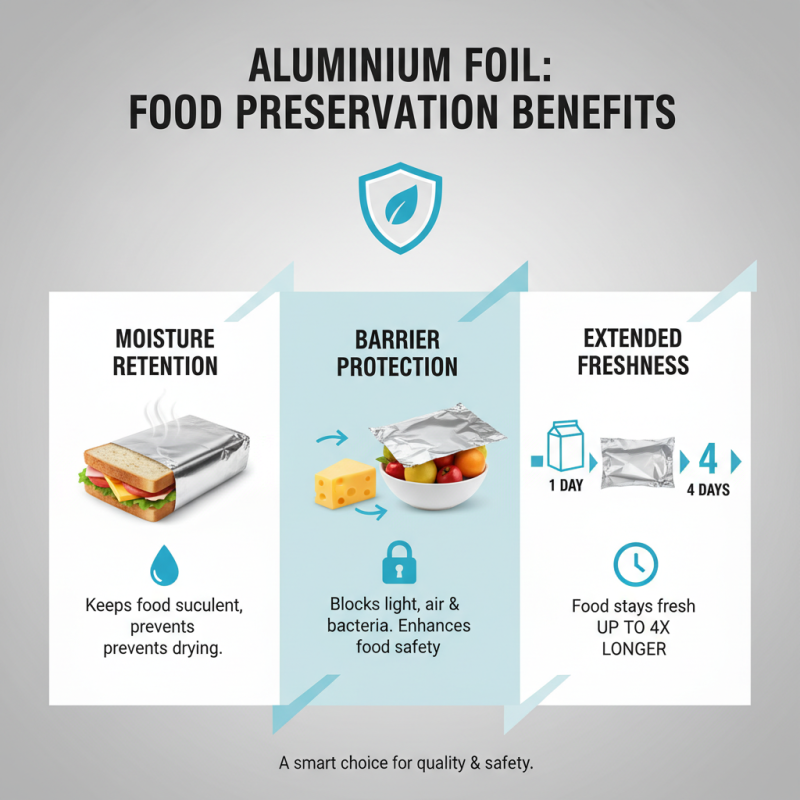
Aluminium foil paper is a standout option for food preservation. It offers several advantages that enhance food quality and safety. Studies show that it effectively retains moisture, which is crucial in preventing food spoilage. The barrier properties of aluminium foil paper greatly reduce the penetration of light, air, and bacteria, making it an excellent choice. According to industry reports, food stored in aluminium foil can stay fresh up to four times longer than those packed in conventional materials.
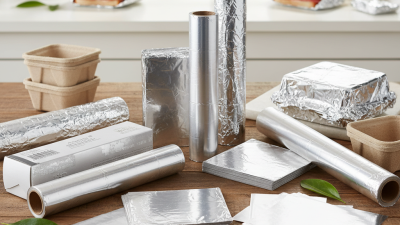
One key benefit is its versatility. Aluminium foil can line containers, wrap food directly, or be used to cover dishes during cooking. This adaptability allows chefs and home cooks alike to maximize freshness while minimizing waste. Yet, improper usage, like wrapping acidic foods, can lead to chemical reactions. It's essential to use foil appropriately and avoid these common pitfalls.
Tip: Always store aluminium-wrapped food in a cool, dry place. This prevents moisture accumulation that could compromise the food quality. Another consideration is recycling. While aluminium is highly recyclable, remember to clean it before disposal to encourage sustainable practices in the food packaging industry. Being mindful of these details can significantly enhance your food preservation efforts.
Environmental Impact of Aluminium Foil Paper in Packaging
The environmental impact of aluminium foil paper in packaging is a subject of growing concern. This material is often praised for its recyclability. Unlike many plastics, aluminium can be recycled numerous times without losing quality. However, the energy required for aluminium production is significantly high. It raises questions about sustainability in its usage.
While aluminium foil offers excellent barrier properties, its production process is resource-intensive. This generates greenhouse gases and contributes to environmental degradation. Many consumers overlook these factors. It’s essential to balance the benefits with environmental costs.
The recycling rates for aluminium are relatively high compared to other materials. Still, not all foil products are recycled properly. Contamination can hinder the recycling process, leading to waste. Encouraging better disposal practices is vital. Awareness around this issue is crucial for effective sustainability efforts. Each small action can contribute to a bigger change.
Top Benefits of Aluminium Foil Paper for Food Packaging
This chart illustrates the various benefits of aluminium foil paper used in food packaging solutions. The benefits highlighted include protecting food quality, being recyclable, lightweight, cost-effective, and serving as a barrier to light and moisture. Each benefit is rated by percentage to show its importance.
Comparison of Aluminium Foil Paper with Other Packaging Materials
Aluminium foil paper offers unique advantages over other packaging materials for food storage. Its exceptional barrier properties keep food fresh by preventing moisture and air from affecting the contents. Unlike plastic wraps, aluminium foil does not easily tear and can be molded to various shapes. It is perfect for wrapping leftovers or lining baking trays.
When comparing aluminium foil paper to plastic films, the environmental impact becomes a significant factor. Aluminium can be recycled efficiently, while many plastics are not biodegradable. This raises questions about sustainability. However, aluminium foil’s production is energy-intensive, and more research is needed on its overall ecological footprint.
Glass containers are reusable but can be heavy and break easily. Aluminium foil offers a lightweight alternative that can conform to food shapes. Yet, it doesn’t provide the same aesthetic appeal as glass, which some consumers prefer. Each packaging option has strengths and weaknesses, demanding careful consideration based on individual needs.
Top Benefits of Aluminium Foil Paper for Food Packaging Solutions - Comparison with Other Packaging Materials
| Feature |
Aluminium Foil Paper |
Plastic Wrap |
Wax Paper |
Cardboard |
| Barrier Protection |
Excellent |
Good |
Fair |
Poor |
| Insulation Properties |
High |
Low |
Moderate |
Low |
| Moisture Resistance |
High |
Moderate |
Low |
Very Low |
| Recyclability |
Yes |
Limited |
Yes |
Yes |
| Cost Effectiveness |
Moderate |
Low |
Moderate |
High |
Innovative Uses of Aluminium Foil Paper in Food Industry
Aluminium foil paper is becoming increasingly popular in the food industry. Its versatility allows for innovative applications that enhance food preservation and presentation. One common use is wrapping meats and fish. This helps maintain moisture and flavor during cooking. The foil acts as a barrier, preventing contamination and oxidation.
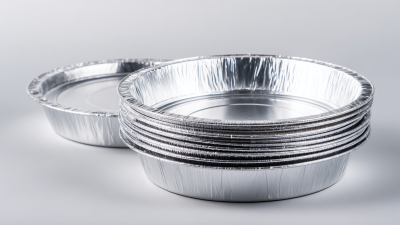
Additionally, aluminium foil can be utilized to create custom food containers. These containers are lightweight and can be shaped to fit various food items. They are convenient for both consumers and businesses. With the rise of takeout services, this method supports sustainability by reducing plastic use.
Tips: Always ensure the foil is clean and dry before use. It’s also wise to avoid direct contact with acidic foods, as this can affect taste. While aluminium foil has many benefits, over-reliance on it may lead to waste. Rethink your packaging choices to balance convenience and environmental impact.