How to Choose Aluminium Foil for Cigarette Packaging?
When selecting aluminium foil for cigarette packaging, several factors come into play. This choice directly impacts product safety, freshness, and brand image. Aluminium foil is widely used due to its protective properties. It prevents moisture, light, and air from compromising the product. Additionally, it enhances shelf life, making it a preferred option among manufacturers.
However, the process of choosing the right type can be complex. Various thicknesses and coatings are available. Each option serves a different purpose, and understanding these nuances is crucial. For instance, a thicker foil may provide better barrier properties but can also be more costly. Exploring trade-offs is essential for making informed decisions. Evaluating supplier expertise can add reliability to your choice.
In the competitive market of cigarette packaging, aligning quality with cost is vital. The right aluminium foil can elevate your product's appeal. Unfortunately, some manufacturers overlook critical aspects. This leads to packaging failures and compromises brand integrity. Investing time in researching and selecting suitable materials benefits long-term business objectives. Proper choices reflect attention to detail and a commitment to quality.
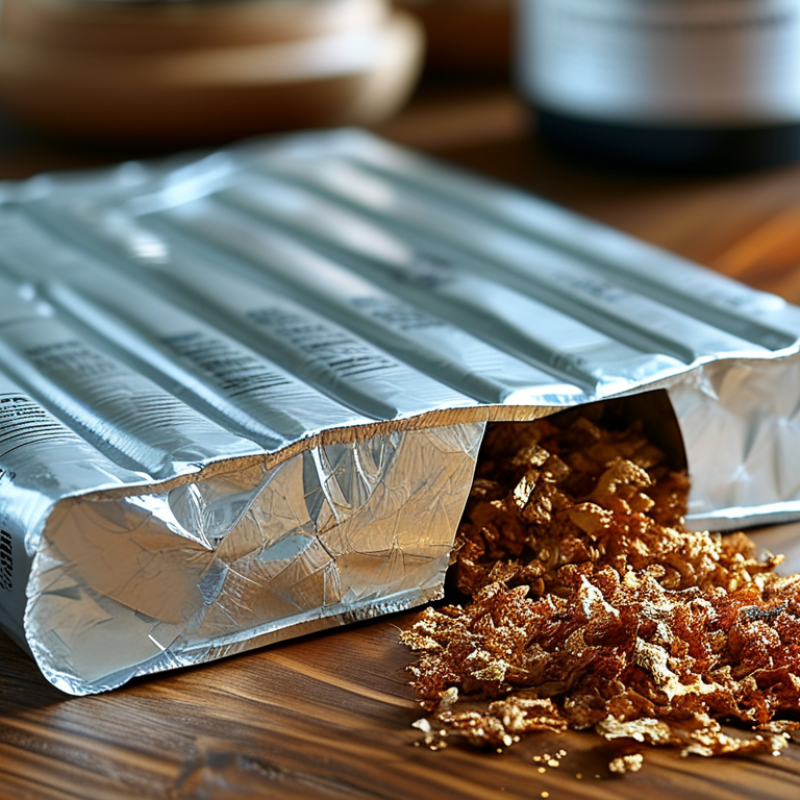
Factors to Consider When Selecting Aluminium Foil for Cigarette Packaging
Choosing the right aluminium foil for cigarette packaging involves several crucial factors. One key consideration is the thickness of the foil. Thicker foils tend to offer better protection against moisture and light. This ensures that the product inside stays fresh longer. However, thicker materials may also increase costs. Finding the right balance is essential.
Additionally, the barrier properties of the foil are vital. Foils with better barrier properties can significantly prolong the shelf life of the products. Look for options that provide a strong defense against odors and oxidation. The printability of the foil is another aspect to consider. Effective branding requires high-quality printing. If the foil's surface doesn't allow for this, it may not attract consumers effectively.
You may also want to reflect on environmental impact. Some foils may be recyclable, while others are not. Choosing sustainable options could reflect positively on the brand. Weighing cost against quality remains a common challenge. Each choice has its trade-offs, and careful thought is required. Ultimately, selecting the right aluminium foil blends technical specifications with practical considerations.
Types of Aluminium Foil Suitable for Cigarette Packaging Applications
When choosing aluminium foil for cigarette packaging, different types can impact both functionality and presentation. The most common types include soft-tempered and hard-tempered foils. Soft-tempered foil is easier to work with, making it a popular choice for wrapping. It provides good barrier properties against moisture and oxygen, which helps maintain freshness.
On the other hand, hard-tempered foil is more robust and offers superior protection. This type is often used in premium packaging to prevent damage during transport. However, it can be less flexible, requiring more careful handling during the packaging process. Selecting the right type depends on balancing protection and usability.
Another consideration is the thickness of the foil. Thicker foils provide better protection but can increase production costs. Some manufacturers are testing thinner options that still maintain quality. These innovative approaches could alter cost efficiency without sacrificing reliability. Reflecting on these aspects can lead to better decisions in packaging design. Choosing the right aluminium foil is not just about looks; it's about ensuring product integrity and quality for consumers.
How to Choose Aluminium Foil for Cigarette Packaging?
| Type of Aluminium Foil |
Thickness (microns) |
Barrier Properties |
Applications |
Benefits |
| Plain Aluminium Foil |
8-12 |
Good |
Cigarette wraps |
Lightweight, cost-effective |
| Laminated Foil |
12-25 |
Excellent |
Premium cigar packaging |
Superior protection from moisture and light |
| Aluminium Foil with Coating |
15-30 |
Very Good |
Cigarette boxes lining |
Enhanced barrier properties, aesthetic appeal |
| Printed Aluminium Foil |
20-30 |
Good |
Branding and marketing |
Customizability, effective branding |
| Foil with Polymer Layer |
25-40 |
Excellent |
Long-term storage |
Best for moisture-sensitive products |
Evaluating Barrier Properties of Aluminium Foil in Cigarette Packaging
When selecting aluminium foil for cigarette packaging, barrier properties are crucial. Aluminium foil serves as a protective layer. It prevents moisture, light, and air from compromising the integrity of the contents. This is particularly important as these elements can significantly affect flavor and freshness.
High-quality aluminium foil should have excellent thickness and durability. A foil that is too thin may tear easily, exposing the product to external factors. A careful balance between thickness and flexibility is vital. Choosing the right foil ensures effective protection while maintaining a smooth packaging experience.
It's also important to consider the potential for pitting and corrosion over time. These imperfections can lead to a degradation of the foil's barrier properties. Research on manufacturing methods and testing results can shed light on the reliability of different options available on the market. Users should reflect on their specific needs and challenges when making this choice.
Sustainability and Environmental Impact of Aluminium Foil Choices
When considering aluminium foil for cigarette packaging, sustainability is a key factor. The production of aluminium has significant environmental impacts. Mining bauxite, its primary ore, can lead to deforestation. It disrupts local ecosystems, affecting wildlife. Furthermore, the energy required for refining is substantial, often derived from non-renewable sources.
Choosing recycled aluminium can mitigate some of these issues. Recycled aluminium requires up to 95% less energy than new aluminium. This choice supports waste reduction and resource conservation. However, not all recycling processes are equally efficient. It’s essential to ensure that the recycled content is sourced responsibly and meets industry standards.
Packaging choices can influence consumer behavior. Sustainable materials can enhance brand image, but they may not always offer the same performance. The challenge lies in balancing environmental concerns with functionality. As companies strive for greener solutions, they must continuously evaluate their choices. The need for innovation in sustainable packaging remains a pressing issue.
Comparing Costs and Performance of Different Aluminium Foil Options
When selecting aluminium foil for cigarette packaging, cost and performance are key factors. Industry reports suggest that the global market for aluminium foil is expected to reach $35 billion by 2026, driven largely by the growing demand for packaging materials. Evaluating different aluminium foil options involves assessing both their barrier properties and their cost-efficiency.
Standard thickness for cigarette packaging ranges from 6 to 20 microns. Thicker foils typically offer better protection against moisture and oxygen, which are crucial for preserving the quality of tobacco. However, they also come at a higher cost. A 2019 study revealed that lighter foils can be more economical, but may compromise on freshness if not sourced properly. Balancing cost with required performance can lead to thoughtful, albeit complex, decisions in packaging design.
Furthermore, environmental factors also play a role in aluminium foil selection. Reports indicate that 75% of aluminium produced is still in use today, emphasizing a need for sustainability. While recycled aluminium is often cheaper, its barrier performance might not meet stringent quality standards. Companies must navigate these trade-offs, ensuring that they select the most suitable option without sacrificing product integrity.