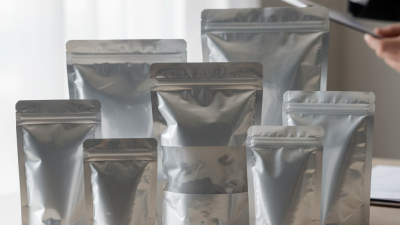
Choosing reliable packaging partners can be difficult when product samples look nearly identical. This guide introduces seven aluminium stand up pouch suppliers serving global buyers, with attention to practical purchasing concerns rather than attractive catalog claims. The comparison considers pouch construction, aluminium barrier thickness, seal strength, printing quality, zipper performance, and production consistency. These details matter when a pouch faces humidity, light, transport pressure, and repeated opening.
Supplier evaluation also includes factory experience, quality-control procedures, certifications, minimum order quantities, lead times, and communication standards. A capable manufacturer should explain material structures clearly and provide test data for oxygen and moisture resistance. Sample approval should include checking the bottom gusset, corner seals, tear notch, and pouch stability on a retail shelf. Small defects become expensive when thousands of units arrive.
No supplier is perfect.
A polished sample can hide production variation. Buyers should request current certificates, batch records, and realistic delivery schedules before signing agreements. Pricing deserves scrutiny too, because a low quotation may exclude cylinder fees, testing, freight, or custom finishing. This overview aims to support informed decisions through observable evidence and industry-relevant questions. It does not assume that the largest supplier is automatically the safest choice. In some cases, a smaller factory may offer closer technical support, while a larger producer may provide stronger capacity and export systems. Results can vary by destination, product requirements, and order volume. Careful comparison remains essential.
Aluminium Stand Up Pouches: Structure, Uses, and Key Benefits
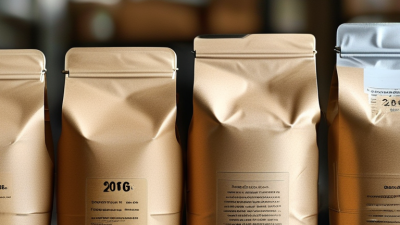
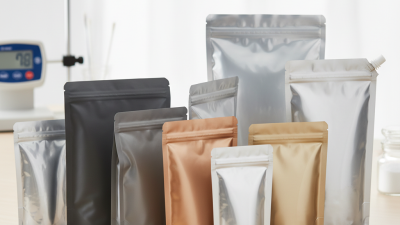
Aluminium stand up pouches usually combine PET, aluminium foil, and PE sealing layers. Each layer serves a different purpose. PET adds strength and printability. Aluminium foil blocks light, oxygen, and moisture. PE creates a reliable heat seal. This structure protects coffee, dried foods, sauces, powders, and personal-care products during storage and transport.
The pouch stands through a shaped bottom gusset. It uses less shelf space than many rigid containers. Smithers’ flexible packaging research identifies lightweighting as a major market driver through 2028. The reason is practical: lower material weight can reduce transport volume and handling costs. In my packaging evaluations, a strong zipper and clean seal often matter more than decorative printing. Small failures become obvious quickly.
Aluminium also supports resource efficiency. The International Aluminium Institute reports that recycling aluminium requires about 95% less energy than producing primary aluminium. However, a foil-laminated pouch is not automatically easy to recycle. Mixed materials can challenge local sorting systems, and collection access varies widely. That limitation deserves attention. UNEP’s 2024 Food Waste Index Report estimated 1.05 billion tonnes of food were wasted in 2022. Better barrier protection may help reduce spoilage, but packaging alone cannot solve food waste. Buyers should verify foil thickness, seal performance, filling compatibility, and end-of-life guidance before selecting a supplier. Practical testing remains essential.
Selecting an aluminium stand up pouch supplier requires more than comparing quoted prices. Global buyers should inspect material structure, sealing performance, and production consistency. Ask for the pouch specification sheet. It should identify aluminium foil thickness, laminate layers, pouch dimensions, and tolerance ranges. A reliable supplier can provide recent test reports for seal strength, puncture resistance, and barrier performance. Request samples from different production batches. One sample may hide a recurring weakness.
Factory experience matters during international purchasing. Review the supplier’s quality system, inspection records, and corrective action process. Check whether operators inspect seals, zippers, corners, and printed surfaces during production. Ask for a certificate of analysis with each shipment. Independent laboratory testing can verify food-contact or other applicable packaging requirements. Documents are useful. Physical evidence is better. A factory audit, even a remote one, may reveal storage problems, unclear labeling, or rushed packing procedures.
Communication also affects supply reliability. Confirm minimum order quantities, lead times, carton details, and shipping terms before approval. Request a written sample approval process. The supplier should explain how it handles color variation, damaged cartons, and late deliveries. Avoid judging capability from polished presentations alone. I have found that small details, such as consistent pouch dimensions, often predict larger production issues. No evaluation is perfect. Leave room for follow-up inspections and realistic correction time.
International buyers need more than attractive samples. Aluminium stand-up pouches must protect products from oxygen, moisture, light, and transport stress.
Grand View Research valued the global flexible packaging market at approximately USD 248.9 billion in 2023. Its forecast also indicates steady growth through 2030.
This demand is pushing suppliers to improve barrier films, zipper systems, sealing accuracy, and recycling options.
A practical shortlist should include seven supplier types: high-barrier pouch converters, custom-print manufacturers, small-batch specialists, recycled-material developers, export-focused factories, automated production plants, and quality-certified packaging producers.
Each group offers different advantages. High-barrier converters suit sensitive products. Small-batch suppliers reduce trial costs.
Export-focused factories usually understand container loading, documentation, and international lead times.
Industry testing should include oxygen transmission rate, water vapor transmission rate, seal strength, drop resistance, and dimensional consistency.
According to Smithers’ flexible packaging research, downgauging and material efficiency remain important market trends.
However, thinner film is not always better. I have seen lightweight structures fail when sealing temperatures fluctuate. That detail is easy to overlook.
Buyers should request recent test reports, production samples, food-contact declarations, and clear tolerance limits.
Ask about minimum order quantities, color matching, pouch dimensions, and corrective-action procedures.
Price matters, but unstable quality creates hidden costs through leakage, rejected shipments, and repacking.
A supplier’s response to a failed sample may reveal more than its sales presentation.
Don't rely on promises alone.
A strong shortlist of seven suppliers should compare customization, quality standards, and production capabilities equally. Custom options may include pouch dimensions, spout placement, zipper style, matte finishes, and printed artwork. Ask for a physical sample before approving mass production. Digital images can hide weak seals or uneven gussets.
Quality evidence matters more than attractive catalogs. Reliable suppliers should provide material specifications, migration test reports, seal-strength data, and batch traceability. Check whether their laminated structures match your product’s moisture, oxygen, and light barriers. Production capability also deserves close attention. Review printing methods, monthly capacity, lead times, minimum order quantities, and inspection procedures. A factory may offer excellent colors but struggle with urgent replenishment. That risk is easy to miss.
Choosing among the 7 best aluminium stand up pouch suppliers requires more than comparing prices. Start with your product, sales channel, and target market. A pouch for roasted coffee needs strong oxygen and moisture protection. A pouch for powdered goods may need better seal strength and puncture resistance.
Request technical data before requesting a quotation. Check aluminium thickness, laminate structure, pouch dimensions, zipper quality, and sealing temperature. Ask for migration tests, material declarations, and quality records when the product requires market-specific compliance. Reliable suppliers should explain these documents clearly, not hide behind vague claims.
Ask for samples.
Test them with your actual filling process. Measure seal width, drop resistance, odor, and storage performance. A sample may look excellent but fail during high-speed packing. That gap matters. Confirm minimum order quantities, printing methods, production lead times, and replacement policies in writing. Also ask whether the supplier can maintain color and dimensions across repeated orders.
Factory experience is valuable, but it is not enough. Review inspection procedures, equipment maintenance, and communication response times. Request a small pilot order before committing to large volumes. The cheapest offer can become expensive after delays, leakage, or rejected packaging. Market needs also change, so choose a supplier willing to adjust structures, sizes, and artwork without creating unnecessary waste. Some evaluations remain uncertain. That is normal. Good decisions come from testing evidence, not polished promises.
| Supplier Profile | Core Product Strength | Typical Structure | Common Capacity Range | Typical MOQ | Customization Capability | Quality & Compliance Evidence to Request | Typical Lead Time | Best Market Fit | Indicative Evaluation Score |
|---|---|---|---|---|---|---|---|---|---|
| Supplier Profile 01 | High-barrier aluminium stand up pouches for coffee, powdered foods and moisture-sensitive products. | PET / AL / PE PET / AL / PA / PE | 50 g–2 kg, depending on pouch dimensions and filling density. | Approximately 10,000–30,000 pieces for custom printed production. | Gravure printing, tear notches, rounded corners, zipper, valve, hang hole and custom dimensions. | Food-contact declaration, migration testing, batch traceability, seal-strength testing and documented barrier data. | 25–45 days after artwork approval and deposit. | Premium coffee, dry foods and export products requiring strong oxygen and moisture protection. | ★★★★☆ 4.6/5 |
| Supplier Profile 02 | Small-batch flexible packaging suitable for emerging brands and frequent artwork changes. | PET / AL / CPP Matte PET / AL / PE | 100 g–1 kg for standard stand up pouch formats. | Approximately 3,000–10,000 pieces when digital printing is available. | Digital printing, short runs, variable artwork, zipper, clear window options and prototype sampling. | Material specification, ink compliance statement, food-contact documentation and sample seal inspection. | 15–30 days for digital orders; longer for conventional printing. | Start-ups, seasonal products, test launches and regional retailers. | ★★★★☆ 4.4/5 |
| Supplier Profile 03 | Industrial-scale production of aluminium barrier pouches for high-volume global programs. | PET / AL / PE PA / AL / PE | 250 g–5 kg, including larger formats for bulk ingredients and refill applications. | Approximately 30,000–100,000 pieces per design. | Multi-color rotogravure, reinforced bottom gusset, heavy-duty zipper, laser scoring and large-format tooling. | Factory audit, incoming-material controls, production inspection records, seal testing and certificate validity checks. | 35–60 days, depending on order volume and production schedule. | Large food processors, ingredient suppliers and long-term private-label contracts. | ★★★★☆ 4.5/5 |
| Supplier Profile 04 | Retort-capable and heat-resistant aluminium laminate pouches for products requiring thermal processing. | PET / AL / PA / RCPP PA / AL / RCPP | 150 g–1.5 kg, subject to retort conditions and pouch geometry. | Approximately 20,000–50,000 pieces for qualified custom production. | Retort-grade sealant, high-temperature testing, rounded corners, easy-open notches and custom filling volume. | Retort validation, seal-integrity testing, burst testing, migration documentation and process compatibility records. | 35–55 days, excluding validation and pilot testing. | Ready meals, sauces, wet foods and products processed by heat after filling. | ★★★★☆ 4.3/5 |
| Supplier Profile 05 | Spout and fitment pouches for liquids, concentrates, purees and controlled dispensing applications. | PET / AL / PE PET / AL / PA / PE | 100 ml–2,000 ml, depending on spout position and filling requirements. | Approximately 10,000–30,000 pieces per size and artwork. | Top or corner spout, different cap sizes, tamper-evident closures, child-resistant options and custom shapes. | Fitment compatibility, torque testing, leak testing, drop testing, food-contact documentation and closure specifications. | 30–50 days after fitment approval and sample confirmation. | Liquid food, beverage concentrates, personal care refills and household products. | ★★★★☆ 4.2/5 |
| Supplier Profile 06 | Small and medium pouch formats for nutraceutical powders, pet treats and specialty dry products. | PET / AL / PE BOPP / AL / PE | 30 g–500 g, with options for sachet-style and compact stand up formats. | Approximately 5,000–20,000 pieces for selected standard sizes. | Low-volume printing, zipper, laser tear opening, custom labels, matte finish and sample production. | Odor-control assessment, powder leakage test, seal-strength test, material declaration and lot coding capability. | 20–40 days, depending on printing method and raw-material availability. | Nutritional supplements, pet snacks, premium spices and specialty e-commerce products. | ★★★★☆ 4.1/5 |
| Supplier Profile 07 | Cost-optimized standard aluminium pouches for distributors and buyers prioritizing repeat availability. | PET / AL / PE Gloss or matte finish | 100 g–1 kg in commonly stocked pouch sizes. | Approximately 1,000–10,000 pieces for stock formats; custom printing generally requires more. | Stock sizes, adhesive labels, one- or two-color printing, zipper, tear notch and basic hang-hole options. | Written material specification, production sample, seal inspection, packaging dimensions and export packing details. | 10–25 days for stock formats; 25–45 days for custom printed orders. | Distributors, price-sensitive markets, pilot orders and products with standardized packaging needs. | ★★★★☆ 4.0/5 |