Top 10 Benefits of Aluminium Foil Packaging for Food?
Aluminium foil packaging for food has gained immense popularity in recent years. Its versatility and effectiveness make it a preferred choice for many food manufacturers. This type of packaging offers a range of benefits that enhance food preservation and safety.
One key advantage of aluminium foil is its ability to block out light and air. These elements can lead to spoilage, reducing the quality of food. Moreover, aluminium foil provides excellent insulation. This keeps food items at optimal temperatures and prevents contamination from external sources. In an era where freshness matters, these features are crucial.
While many rely on aluminium foil packaging for food, not all are aware of its environmental impact. The durability of aluminium allows for recycling, which is a positive aspect. However, the energy required in its production raises questions. As consumers, we must reflect on the balance between convenience and environmental responsibility.
Benefits of Aluminium Foil Packaging in Preserving Food Freshness
Aluminium foil packaging plays a crucial role in preserving food freshness. It creates a barrier that prevents moisture, air, and light from entering. This tight seal helps keep food items, like fruits and vegetables, crisp and flavorful for a longer time. The reflective surface of aluminium also reflects heat, which is beneficial for storing items that need to stay cool.
Another significant advantage is its durability. Aluminium foil resists tearing and puncturing. This makes it ideal for storing food in various conditions, whether in the freezer or at room temperature. Though effective, some users may find it a bit challenging to recycle, leading to concerns about environmental impact. However, when properly disposed of, it can be recycled multiple times.
Despite its benefits, some may question how much it truly extends freshness. It does have its limits, especially with highly perishable items. Experimentation with different types of food can help identify what works best. Foil can be combined with other packaging materials for improved results, providing a learning curve for those interested in optimal food storage.
Impact of Aluminium Foil on Food Shelf Life and Quality
Aluminium foil packaging plays a significant role in extending the shelf life and quality of food. Its unique properties create a barrier that protects food from moisture, light, and air. These elements can deteriorate food quality and freshness. By limiting exposure to these external factors, aluminium foil helps maintain flavors and nutrients.
One common tip is to ensure proper sealing when using aluminium foil. This can enhance its protective qualities. Wrapping food tightly prevents air from entering, further safeguarding against spoilage. Additionally, consider using foil to wrap perishable items before refrigerating. This simple action can significantly extend their freshness.
While aluminium foil is effective, it’s essential to reflect on its usage. Some may overlook the importance of checking for holes or tears in the foil before use. Damaged foil can lead to exposure and compromise food quality. Always inspect the packaging to ensure optimal protection for your food items.
Environmental Advantages of Using Aluminium Foil for Food Packaging
Aluminium foil packaging offers several environmental advantages. It is lightweight and recyclable, reducing the carbon footprint associated with packaging waste. Many consumers may not realize that aluminium can be recycled many times without losing quality. This contributes to a circular economy where materials are reused and repurposed. Recycling aluminium saves energy compared to producing new foil from raw materials.
The lightweight nature of aluminium also decreases transportation emissions. Less weight means lower fuel consumption for vehicles. However, it's important to note that not all recycling systems are efficient everywhere. Some areas lack proper recycling facilities, leading to waste. Moreover, the production process of aluminium involves mining and smelting, which can have negative environmental impacts.
Another detail to consider is that while aluminium foil protects food from contamination, its production can be energy-intensive. The challenge lies in balancing its benefits with potential harm. Consumers must reflect on their choices, considering local recycling capabilities. Finding a sustainable path forward requires ongoing awareness and commitment.
Cost-Effectiveness of Aluminium Foil Packaging in the Food Industry
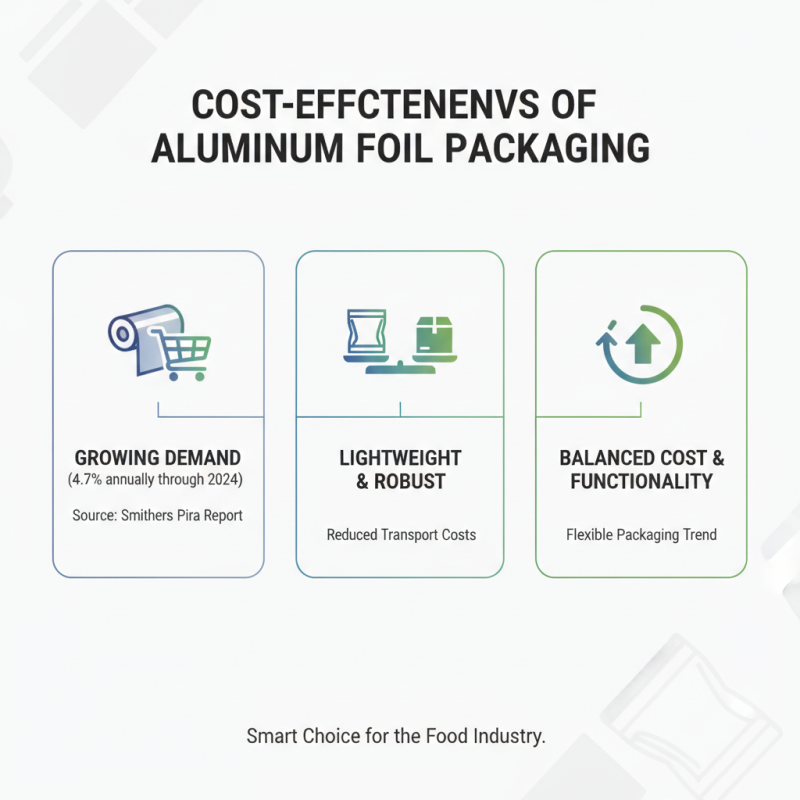
Aluminium foil packaging offers significant cost-effectiveness for the food industry. According to a report by Smithers Pira, the demand for flexible packaging, including aluminium foil, is projected to grow by 4.7% annually through 2024. This growth signals a shift towards materials that balance cost and functionality. Aluminium foil is lightweight yet robust, making it cheaper to transport compared to bulkier materials.
Using aluminium foil can result in reduced waste. Its barrier properties protect food from moisture and light, stretching shelf life significantly. Research indicates that extending food freshness can save retailers up to 30% in spoilage costs. However, the initial investment in machinery for aluminium packaging can be seen as a barrier for small businesses. This raises questions about long-term affordability and sustainability in smaller operations.
Moreover, the recyclability of aluminium contributes to environmental benefits. Reports show that recycling aluminium saves up to 95% of the energy needed to create new aluminium. Yet, not all regions have the infrastructure to recycle foil properly. Therefore, while aluminium foil packaging is an economical and effective solution, companies must evaluate their local recycling options to fully realize its benefits.
Versatility of Aluminium Foil in Various Food Packaging Applications
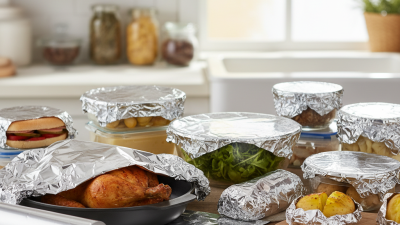
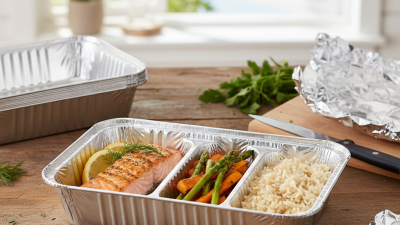
Aluminium foil is a versatile packaging material for food. Its ability to withstand varying temperatures makes it ideal for both hot and cold applications. From wrapping leftovers to creating custom meal portions, aluminium foil serves various purposes in the kitchen. This adaptability allows for creative food preparation and storage solutions.
When utilizing aluminium foil, here are some helpful tips: always ensure that the shiny side is facing the food for best heat retention. If storing acidic foods, consider placing parchment paper between the foil and the food to prevent potential reactions. Some might struggle with keeping it tightly wrapped; a simple trick is to fold the edges neatly to create a seal.
Aluminium foil not only preserves flavor but also blocks moisture and light, extending food shelf life. However, users should be cautious with sharp edges, which can cause accidental cuts. While it is a reliable packaging option, reflections on potential waste should be considered. Eco-conscious practices can involve recycling the foil after thorough cleaning.
Top 10 Benefits of Aluminium Foil Packaging for Food
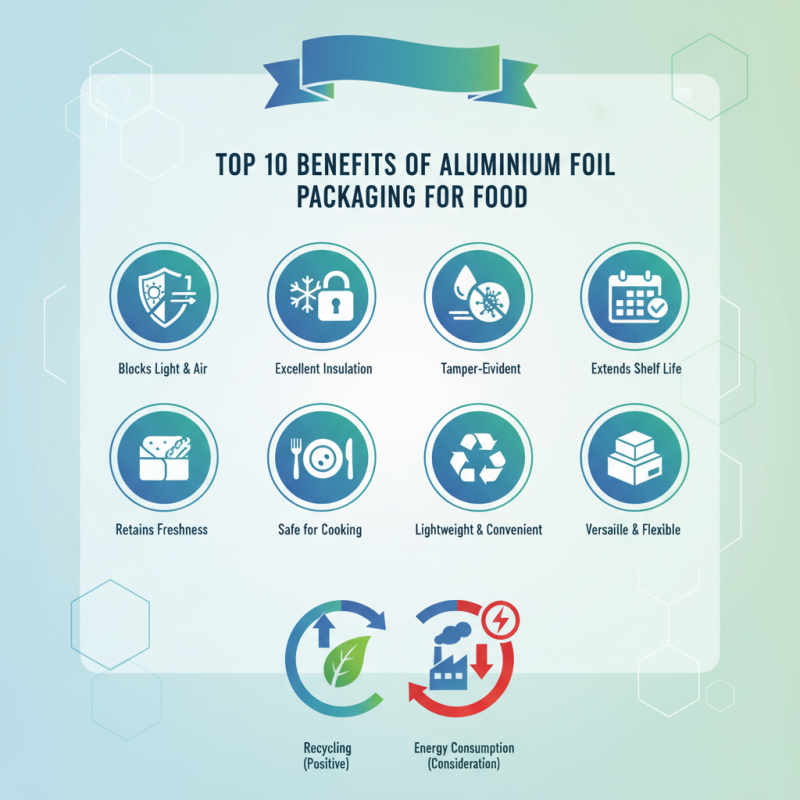
This chart illustrates the various benefits of aluminium foil packaging for food, highlighting its key advantages in different applications.