What is Aluminium Foil Packaging for Food and Its Benefits?
Aluminium foil packaging for food has become increasingly prevalent in the food industry, serving as a versatile solution that combines functionality with sustainability. According to a report by Grand View Research, the global aluminium foil packaging market is projected to reach USD 35.87 billion by 2025, driven by the rise in consumer demand for convenience and ready-to-eat products. This growth underscores not only the utility of aluminium foil packaging but also its essential role in enhancing food safety and preserving product quality.
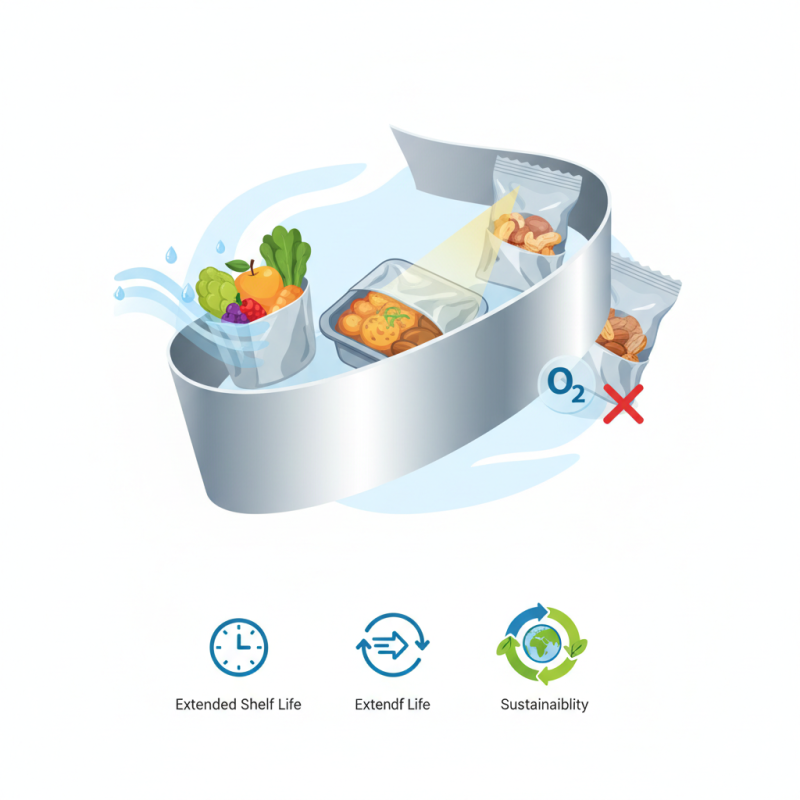
One of the primary benefits of aluminium foil packaging for food is its excellent barrier properties, which protect against moisture, light, and oxygen. Research from the European Aluminium Foil Association highlights that the use of aluminium foil can extend the shelf life of products significantly, making it an invaluable resource in reducing food waste. Moreover, aluminium packaging is fully recyclable, contributing to a more sustainable circular economy. As manufacturers and consumers alike prioritize eco-friendly solutions, aluminium foil packaging is emerging as a key player in the effort to create more sustainable food distribution and consumption channels.
What is Aluminium Foil Packaging in Food Industry?
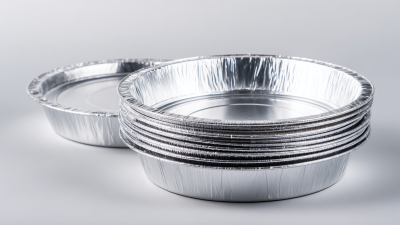
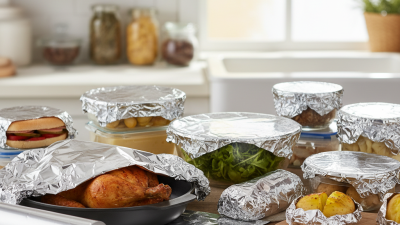
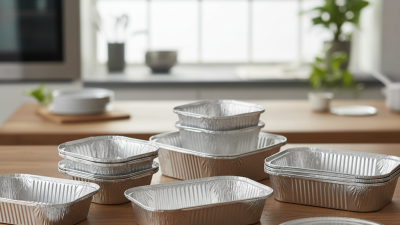
Aluminium foil packaging plays a crucial role in the food industry by providing an effective barrier that protects food from external elements. Its unique properties, including light-weight, malleability, and excellent insulation features, make it an ideal choice for preserving the freshness and safety of various food products. This type of packaging is used for a wide range of applications, from wrapping sandwiches and covering dishes to lining trays for baked goods. The non-toxic nature of aluminium also ensures that it is safe for direct contact with food.
One of the significant benefits of aluminium foil packaging is its ability to extend the shelf life of food items. By preventing moisture, oxygen, and light from reaching the food, it helps to minimize spoilage and maintain flavor and nutritional value. Additionally, it is recyclable, making it an environmentally friendly option in food packaging. The convenience of using aluminium foil for portion control and easy storage further enhances its appeal within the food industry, facilitating both food preparation and consumption while minimizing waste.
Key Properties of Aluminium Foil that Benefit Food Preservation
Aluminium foil is an essential material for food packaging, renowned for its unique properties that enhance food preservation. One of its key characteristics is its excellent barrier functionality. Aluminium foil effectively blocks moisture, light, and oxygen, which are crucial factors in the deterioration of food quality. By creating an impenetrable barrier, it helps prevent spoilage and extends the shelf life of various food products, ensuring they maintain their freshness for a longer duration.
Another significant property of aluminium foil is its versatility in temperature management. It can withstand extreme temperatures, making it suitable for both freezing and cooking processes. This ability enables consumers to store food at low temperatures without compromising quality or flavor. Furthermore, during cooking, aluminium foil can reflect heat while distributing it evenly, promoting consistent cooking results. These attributes not only enhance food preservation but also contribute to the convenience and efficiency of food preparation, making aluminium foil a valuable asset in modern kitchens.
What is Aluminium Foil Packaging for Food and Its Benefits?
| Property |
Description |
Benefits |
| Barrier Properties |
Aluminium foil provides an excellent barrier against light, moisture, and oxygen. |
Helps to preserve food quality and extend its shelf life. |
| Heat Conductivity |
Aluminium conducts heat efficiently. |
Facilitates even cooking and reheating of food. |
| Lightweight |
Aluminium foil is very lightweight. |
Reduces shipping costs and is easier to handle. |
| Recyclable |
Aluminium is a recyclable material. |
Contributes to sustainability and reduces environmental impact. |
| Odor Resistance |
Aluminium foil does not absorb food odors. |
Prevents cross-contamination of flavors. |
Environmental Impact of Aluminium Foil Packaging in Food Storage
The environmental impact of aluminium foil packaging in food storage is a topic that warrants careful consideration. On one hand, aluminium foil is prized for its ability to preserve food freshness, blocking out light, moisture, and oxygen, which helps in reducing food waste. This attribute is crucial as it can lead to less frequent purchases and optimizes food storage, ultimately contributing positively to sustainability efforts. By extending the shelf life of food products, aluminium foil can play a role in minimizing the use of other packaging materials, which may have a larger ecological footprint.
On the other hand, it is essential to examine the lifecycle of aluminium production, which involves significant energy consumption and greenhouse gas emissions. While aluminium can be recycled multiple times without losing its properties, the efficiency of recycling programs varies widely across regions. If not recycled properly, used aluminium can contribute to landfill waste. Additionally, the extraction of bauxite—the primary ore for aluminium—can lead to deforestation and habitat destruction. Thus, while aluminium foil packaging offers practical benefits in food storage and waste reduction, the environmental implications of its production and disposal call for a balanced approach to its use.
Market Trends: Growth of Aluminium Foil Packaging in Food Sector
The aluminium foil packaging market is experiencing significant growth, particularly within the food sector, driven by increasing consumer demand for convenience and sustainability. According to a report from MarketsandMarkets, the global aluminium foil packaging market is projected to reach USD 39.44 billion by 2025, growing at a CAGR of 4.5% from 2020. This growth trend can be attributed to the rising need for food preservation and safety, as aluminium foil offers excellent barrier properties that protect food from moisture, light, and air, thereby extending shelf life and maintaining quality.
Furthermore, the shift towards eco-friendly packaging materials has accelerated the adoption of aluminium foil in food packaging. The Aluminum Association notes that aluminium is infinitely recyclable, with nearly 75% of all aluminium ever produced still in use today. This characteristic aligns with the global push for sustainability, encouraging manufacturers to switch from conventional plastic packaging to aluminium foil. As consumers become more environmentally conscious, the demand for aluminium foil packaging is expected to increase, especially in sectors such as ready-to-eat meals and snacks, where convenience is paramount. This combination of practicality and environmental responsibility positions aluminium foil as a preferred choice in the evolving food packaging landscape.
Comparative Analysis: Aluminium Foil vs. Other Food Packaging Materials
When comparing aluminium foil packaging to other food packaging materials, the unique properties of aluminium foil stand out. According to a report by Freedonia Group, the global demand for aluminium foil packaging is projected to reach 6.3 million tons by 2024, driven by its excellent barrier properties, which protect food from moisture, air, and light. This makes aluminium foil particularly effective for preserving the freshness of perishable goods, unlike plastic films, which often allow for some oxygen permeability, potentially leading to spoilage and the loss of taste.
Moreover, aluminium foil is highly recyclable, with the Aluminium Association indicating that about 75% of all aluminium ever produced is still in use today. In contrast, materials like polystyrene and certain plastics have much lower recycling rates and can persist in landfills for hundreds of years. The preference for sustainable packaging options is growing, with Nielsen reporting that 73% of consumers are willing to pay more for sustainable brands. Thus, the recyclability of aluminium foil not only enhances its appeal among environmentally conscious consumers but also highlights its advantages over less eco-friendly alternatives.