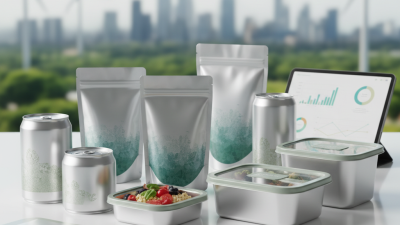
What is Aluminium Foil for Food Packaging and Its Benefits for Preservation
Aluminium foil for food packaging has become an essential component in both home kitchens and the food industry, playing a vital role in preserving food freshness and quality. This versatile material is known for its excellent moisture, light, and air barrier properties, which significantly extend the shelf life of various food items. Whether it is wrapping leftovers, covering dishes during cooking, or safeguarding ingredients in the freezer, aluminium foil serves multiple purposes that cater to the diverse needs of consumers.
In addition to its practical uses, there are numerous benefits associated with using aluminium foil for food packaging. Not only does it help in retaining food's flavor and nutritional value, but it also assists in preventing spoilage and contamination. Furthermore, its lightweight and malleable nature makes it an ideal choice for a variety of food items, ensuring convenience without compromising on safety. Overall, aluminium foil stands out as a reliable option for food preservation, contributing to both sustainability and efficiency in food storage practices.

What is Aluminium Foil and Its Role in Food Packaging
Aluminium foil has become a staple in food packaging due to its unique properties and versatility. At its core, aluminium foil is a thin sheet made from aluminium, typically between 0.016 and 0.08 mm in thickness. This material is renowned for its barrier qualities, effectively protecting food from moisture, light, and air, which are crucial factors in maintaining freshness and extending shelf life. According to a report by Smithers Pira, the global market for aluminium packaging is expected to reach over $30 billion by 2025, driven largely by consumer demand for sustainable and efficient food preservation options.
The role of aluminium foil in food packaging extends beyond just protection; it also plays a significant part in retaining flavor and preventing contamination. The Foil Packaging Association highlights that aluminium foil is 100% recyclable, making it an environmentally friendly choice compared to other packaging materials. It not only reduces food waste by keeping products edible for longer periods but also minimizes the carbon footprint associated with food spoilage. Furthermore, its lightweight nature contributes to lower transportation costs, making aluminium foil not only a practical option for manufacturers but also a sustainable one that addresses ecological concerns.
What is Aluminium Foil for Food Packaging and Its Benefits for Preservation
| Property |
Description |
Benefit |
| Material Composition |
Thin sheets of aluminium |
Recyclable and environmentally friendly |
| Barrier Properties |
Prevents moisture, oxygen, and light |
Enhances shelf life of food products |
| Heat Conduction |
Excellent heat conductor |
Facilitates even cooking |
| Lightweight |
Very light and easy to handle |
Reduces shipping costs |
| Versatility |
Used in various applications, including wrapping |
Suitable for various food types and cooking methods |
| Food Safety |
Non-toxic when in contact with food |
Ensures safe food storage |
| Easy to Use |
Simple to tear and use for wrapping |
Convenient for daily cooking and storage |
Key Benefits of Aluminium Foil for Food Preservation
Aluminium foil is a popular choice for food packaging due to its numerous benefits for preservation. One of the key advantages of aluminium foil is its ability to create a barrier against moisture, air, and light. This barrier helps to keep food items fresh for an extended period by preventing oxidation and spoilage. As a result, it extends the shelf life of various food products, from leftovers to packaged snacks, ensuring that they retain their flavor and nutritional value.
Additionally, aluminium foil is highly versatile in its applications, making it suitable for a wide range of food items. It can be used for wrapping sandwiches, covering dishes before cooking or baking, and lining containers for easy cleanup. The reflective surface of the foil also has excellent heat retention properties, which can enhance cooking efficiency while minimizing energy use. Its ability to withstand high temperatures without melting or releasing harmful substances makes it an ideal choice for both cooking and storage. Overall, aluminium foil serves as an essential tool in food preservation, helping consumers maintain the quality and safety of their meals.
How Aluminium Foil Enhances Food Freshness and Safety
Aluminium foil is widely recognized in the food packaging industry for its ability to enhance food freshness and safety. It acts as a barrier against external factors such as moisture, light, and oxygen, all of which can contribute to food spoilage. According to a report by the Food and Packaging Sector Research Association, using aluminium foil can reduce food waste by up to 20% due to its effective preservation capabilities. By encapsulating food, it maintains the integrity of flavors and nutritional content, making it an essential material in both household and commercial settings.
One significant advantage of aluminium foil is its ability to inhibit bacterial growth. The properties of aluminium create an environment that is less conducive to the survival of pathogens, ensuring that food remains safe for consumption for a longer period. A study from the Journal of Food Science indicated that aluminium foil kept leftovers fresh for up to four additional days compared to food stored without such protection. This is particularly beneficial in reducing the incidence of foodborne illnesses, which affect millions worldwide each year.
Tips for Maximum Preservation:
- Always ensure that the food is cooled down before wrapping it in aluminium foil to prevent condensation, which can lead to spoilage.
- For optimal freshness, double-wrap perishable items, especially if they will be stored for an extended period.
- Avoid using aluminium foil in the microwave unless specified, as it can create sparks and lead to unsafe situations.
Environmental Considerations of Using Aluminium Foil in Food Packaging
Aluminium foil has become a popular choice in food packaging due to its ability to preserve freshness and enhance food safety. However, the environmental implications of using aluminium foil cannot be overlooked. The production of aluminium typically involves high energy consumption and greenhouse gas emissions. Moreover, while aluminium foil is recyclable, it is often not disposed of properly, leading to increased landfill waste.
When considering the use of aluminium foil, it is essential to reflect on sustainable practices. One way to minimize environmental impact is to ensure proper recycling by flattening and cleaning used foil before placing it in recycling bins. Another tip is to reduce the use of foil by opting for reusable storage options whenever possible, such as glass containers or silicone wraps. By adopting these habits, consumers can help mitigate the adverse effects associated with aluminium foil in food packaging.
Additionally, choosing products made from responsibly sourced aluminium can further enhance sustainability efforts. Being mindful of purchasing habits and seeking out recycled options contribute positively to environmental conservation. It is crucial for consumers to balance the convenience of aluminium foil with an awareness of its ecological footprint, making informed choices that promote a healthier planet.
Environmental Impact of Aluminium Foil in Food Packaging
The chart above illustrates the environmental impact of aluminium foil used in food packaging across various dimensions. Each bar represents a score from 1 to 10, indicating the relative impact level of recyclability, energy intensity, carbon footprint, resource depletion, and waste generation.
Best Practices for Using Aluminium Foil in Cooking and Storage
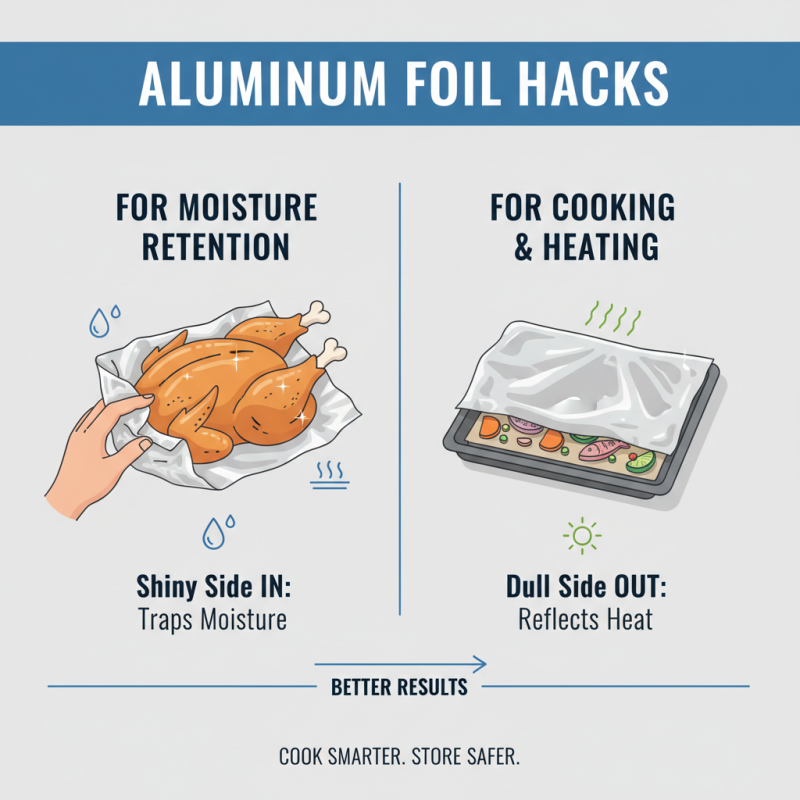
When it comes to using aluminum foil for cooking and food storage, following best practices can greatly enhance its effectiveness. One of the primary uses of aluminum foil is to wrap food, which helps retain moisture and prevent contamination. To maximize the benefits, consider using shiny side in for wrapping foods that require moisture retention, while using the dull side out for foods that might be cooked, as it reflects heat more efficiently.
Tips for using aluminum foil include cutting it to the desired size before using it to wrap food items, ensuring it's tightly sealed at the edges to reduce air exposure. This airtight seal is crucial for prolonging freshness, especially for perishable items like fruits and vegetables. Additionally, avoid using aluminum foil for acidic foods, such as tomatoes or citrus fruits, as they can react with the aluminum and compromise flavors.
Another effective practice is to use aluminum foil to line baking sheets or trays. This not only simplifies cleanup but also prevents food from sticking and helps achieve even cooking. When baking, consider folding the sides of the foil outward to create a mini-tray, which can hold juices and prevent spills. By employing these best practices, aluminum foil can be an invaluable ally in the kitchen, promoting both efficient cooking and superior food preservation.